
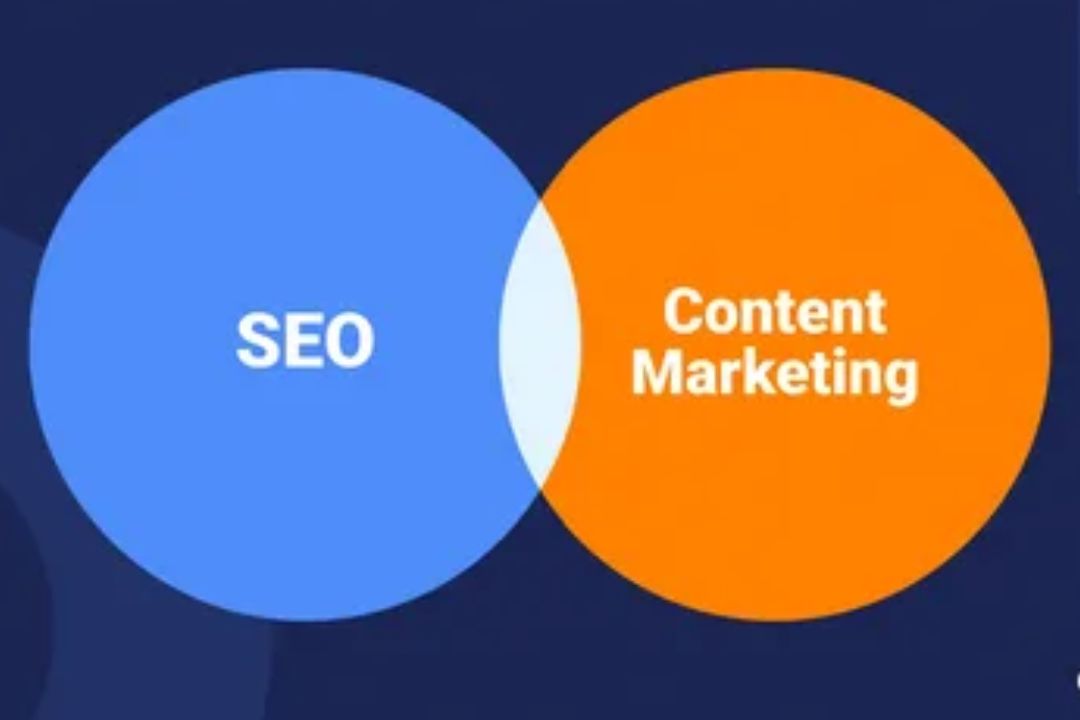
In today’s digital landscape, businesses face an ongoing challenge: how do you attract the right audience, keep them engaged, and convert them into loyal customers? The answer lies in understanding how SEO and content marketing work together. These two strategies are often discussed separately, but their true power emerges when they’re combined into a unified approach that drives sustainable growth.
Think of SEO as the roadmap that helps people find your content, while content marketing is the vehicle that takes them on a meaningful journey. Without quality content, your SEO efforts lack substance. Without SEO, even the most brilliant content remains invisible to your target audience. This article explores the synergy between these two essential strategies, showing you how to leverage both for maximum impact on your search rankings and business growth.
Understanding the Foundations: What Are SEO and Content Marketing?
Before exploring how these strategies complement each other, we need to understand what each one brings to the table.
What Is SEO?
Search Engine Optimization, commonly known as SEO, is the practice of improving your website’s visibility in search engine results pages. When someone types a query into Google, Bing, or another search engine, SEO determines whether your website appears on the first page or gets buried under thousands of competitors.
SEO involves multiple technical and creative elements:
- Keyword research and targeting
- On-page optimization like title tags and meta descriptions
- Technical website improvements such as page speed and mobile responsiveness
- Link building from authoritative websites
- User experience enhancements
A study by BrightEdge found that organic search drives 53% of all website traffic, making SEO one of the most valuable marketing channels available.
What Is Content Marketing?
Content marketing focuses on creating and distributing valuable, relevant content to attract and retain a clearly defined audience. Rather than directly promoting products or services, content marketing educates, entertains, or solves problems for potential customers.
Effective content marketing includes:
- Blog posts and articles
- Videos and podcasts
- Infographics and visual content
- E-books and whitepapers
- Social media posts
- Email newsletters
According to the Content Marketing Institute, 73% of B2B marketers and 70% of B2C marketers use content marketing as part of their overall strategy. The reason is simple: quality content builds trust, establishes authority, and nurtures relationships with potential customers over time.
The Intersection: How SEO and Content Marketing Work Together
Understanding how SEO and content marketing work together reveals why neither strategy succeeds in isolation. Here’s the fundamental truth: SEO needs content to function, and content needs SEO to reach its intended audience.
Content Gives SEO Something to Optimize
Search engines can’t rank what doesn’t exist. Every page, post, video description, and image alt text provides opportunities for optimization. When you create content, you’re essentially giving search engines material to index and rank. The more high-quality content you produce, the more opportunities you have to appear in search results for different queries.
SEO Ensures Your Content Gets Found
You might write the most insightful article in your industry, but without SEO, it’s like hosting a party without sending invitations. SEO research tells you what your audience is searching for, how they phrase their queries, and what questions they need answered. This intelligence guides your content creation, ensuring you’re writing about topics people actually care about.
Keyword Research: The Bridge Between Both Strategies
Keyword research sits at the intersection of how SEO and content marketing work together. This process identifies the exact terms and phrases your target audience uses when searching for information related to your business.
Finding the Right Keywords
Start by brainstorming topics relevant to your industry. Then use tools like Google Keyword Planner, SEMrush, or Ahrefs to discover:
- Search volume for different terms
- Keyword difficulty scores
- Related keywords and phrases
- Questions people ask about your topic
For example, if you run a fitness website, you might discover that “home workout routines” has 50,000 monthly searches, while “home workout routines for beginners” has 8,000 searches but much less competition.
Mapping Keywords to Content
Once you’ve identified valuable keywords, map them to specific pieces of content. Create a content calendar that targets different keywords through various formats. Some keywords work best for detailed how-to guides, others for comparison articles, and still others for video content.
Research from Backlinko analyzing 11.8 million Google search results found that the average word count of a Google first page result is 1,447 words. This demonstrates that comprehensive content covering a topic thoroughly tends to rank better than thin, superficial articles.
Creating SEO-Friendly Content That Engages Readers
The sweet spot is content that both search engines and humans love. Here’s how to achieve that balance:
Write for Humans First, Search Engines Second
Your primary audience is always human readers, not algorithms. Start by understanding your audience’s pain points, questions, and interests. Write in a conversational tone that speaks directly to their needs. When you focus on providing genuine value, SEO naturally follows.
Structure Content for Readability and SEO
Both readers and search engines prefer well-organized content. Use these structural elements:
- Break long paragraphs into shorter chunks of three to four sentences
- Use descriptive headings that include relevant keywords
- Add bullet points and numbered lists to highlight key information
- Include internal links to other relevant content on your site
- Optimize images with descriptive file names and alt text
Address Search Intent
Google’s algorithms have become sophisticated at understanding what searchers actually want. When someone searches “how to train a puppy,” they’re looking for actionable advice, not product advertisements. Your content must match the search intent behind target keywords.
There are four main types of search intent:
- Informational: Users want to learn something
- Navigational: Users want to find a specific website
- Commercial: Users are researching before making a purchase
- Transactional: Users are ready to buy
Align your content type with the dominant intent for each keyword you target.
Technical SEO Supports Content Distribution
How SEO and content marketing work together extends beyond keywords into technical territory. Technical SEO ensures that search engines can easily crawl, index, and understand your content.
Site Speed and Performance
Google uses page speed as a ranking factor, particularly for mobile searches. According to Google research, 53% of mobile users abandon sites that take longer than three seconds to load. Compress images, minimize code, and use content delivery networks to keep your site fast.
Mobile Optimization
With mobile devices accounting for approximately 60% of web traffic globally, responsive design is non-negotiable. Your content must display perfectly on smartphones and tablets, with easy-to-tap buttons and readable text without zooming.
XML Sitemaps and Site Architecture
Create a logical site structure that makes it easy for both users and search engines to navigate your content. An XML sitemap tells search engines about all your pages, ensuring nothing gets overlooked during crawling.
Link Building Through Quality Content
One of the clearest examples of how SEO and content marketing work together is in link acquisition. Backlinks from other websites signal to search engines that your content is valuable and trustworthy.
Creating Link-Worthy Content
Not all content attracts links equally. Some formats naturally earn more backlinks:
- Original research and data studies
- Comprehensive guides and tutorials
- Expert roundups and interviews
- Tools and calculators
- Controversial or thought-provoking opinion pieces
A Moz study found that long-form content tends to earn significantly more backlinks than short articles. Content over 2,000 words received the most links on average.
Outreach and Relationship Building
Create outstanding content, then proactively reach out to relevant websites, bloggers, and journalists who might find it valuable. Personalized outreach emails that explain why your content benefits their audience can result in valuable backlinks and expanded reach.
Measuring Success: Analytics and Continuous Improvement
To truly understand how SEO and content marketing work together for your specific situation, you need to track the right metrics.
Key Performance Indicators to Monitor
Track these essential metrics to gauge your combined strategy’s effectiveness:
- Organic traffic growth over time
- Keyword rankings for target terms
- Conversion rates from organic traffic
- Time on page and engagement metrics
- Backlink acquisition rate
- Domain authority improvements
Tools like Google Analytics, Google Search Console, and specialized SEO platforms provide the data you need to make informed decisions.
A/B Testing and Iteration
Test different approaches to see what resonates with your audience. Try varying headline formulas, content lengths, media types, and calls-to-action. Use the insights gained to refine your strategy continuously.
Research by HubSpot found that companies that published 16 or more blog posts per month got almost 3.5 times more traffic than companies that published four or fewer monthly posts. However, quality must never be sacrificed for quantity.
Content Formats That Amplify SEO Results
Diversifying your content formats creates more opportunities to rank in different search features and appeal to different audience preferences.
Video Content Optimization
Video has exploded in popularity, with YouTube being the second-largest search engine after Google. Optimize videos by:
- Creating detailed descriptions with target keywords
- Adding transcripts to make content searchable
- Using keyword-rich titles and tags
- Embedding videos in blog posts for enhanced engagement
Featured Snippets and Position Zero
Structure content to capture featured snippets, which appear above traditional search results. Use question-based headings, provide concise answers in the following paragraph, and format information in lists or tables when appropriate.
According to Ahrefs, featured snippets receive an average click-through rate of 8.6%, significantly higher than standard first-position results.
Pillar Pages and Topic Clusters
Organize content into comprehensive pillar pages covering broad topics, supported by cluster content that explores specific subtopics in depth. This architecture demonstrates topical authority to search engines while providing excellent user experience.
Local SEO and Location-Specific Content
For businesses serving specific geographic areas, understanding how SEO and content marketing work together requires a local focus.
Creating Location-Specific Content
Develop content that addresses local concerns, features local events, or highlights customer success stories from your area. This builds relevance for local search queries and resonates with your community.
Google Business Profile Optimization
Your Google Business Profile acts as a mini-website in local search results. Regularly post updates, share photos, respond to reviews, and provide accurate business information. These actions combine content marketing with local SEO perfectly.
Research shows that businesses with complete Google Business Profiles are twice as likely to be considered reputable by consumers.
Social Media’s Role in the SEO-Content Marketing Partnership
While social signals aren’t direct ranking factors, social media amplifies your content’s reach and can indirectly benefit SEO.
Content Distribution Channels
Share your content across appropriate social platforms to:
- Increase visibility and traffic
- Attract potential backlink opportunities
- Build brand awareness and authority
- Engage directly with your audience
Each platform has unique characteristics. LinkedIn works well for B2B content, Instagram excels with visual storytelling, and Twitter facilitates conversation and news sharing.
Building Community and Engagement
Social media engagement around your content creates buzz that can lead to mentions, shares, and links from other websites. These secondary effects contribute to your overall SEO performance even if social signals themselves don’t directly impact rankings.
Common Mistakes to Avoid
Understanding what doesn’t work is just as important as knowing what does when exploring how SEO and content marketing work together.
Keyword Stuffing
Overusing keywords makes content unreadable and can trigger search engine penalties. Aim for natural keyword integration that enhances rather than disrupts the reading experience. Modern search algorithms understand context and synonyms, so exact keyword matching is less critical than it once was.
Neglecting Content Updates
Search engines favor fresh, current content. Regularly update older articles with new information, statistics, and examples. This signals that your content remains relevant and valuable.
Ignoring User Experience
Aggressive pop-ups, intrusive ads, and confusing navigation frustrate users and increase bounce rates. Google explicitly considers user experience signals when ranking pages, so prioritize clean design and intuitive functionality.
The Future: Emerging Trends in SEO and Content Marketing Integration
The relationship between SEO and content marketing continues evolving with technological advances and changing user behaviors.
Artificial Intelligence and Machine Learning
Search engines increasingly use AI to understand content quality and relevance. Focus on creating genuinely helpful content rather than trying to manipulate algorithms. Google’s helpful content update specifically targets content created primarily for search engines rather than people.
Voice Search Optimization
With smart speakers and voice assistants becoming ubiquitous, optimize for conversational, question-based queries. Voice searches tend to be longer and more specific than typed searches.
E-E-A-T Principles
Google emphasizes Experience, Expertise, Authoritativeness, and Trustworthiness when evaluating content. Demonstrate these qualities through author credentials, citations of reputable sources, and transparent information about your organization.
Conclusion: Creating Your Integrated Strategy
The question isn’t whether SEO or content marketing is more important—it’s how to leverage both together for maximum results. How SEO and content marketing work together determines your long-term success in attracting, engaging, and converting your target audience.
Start by conducting thorough keyword research to understand what your audience is searching for. Create comprehensive, valuable content that addresses their needs while incorporating SEO best practices. Build a technical foundation that allows search engines to easily discover and index your content. Promote your content strategically to earn backlinks and social engagement. Finally, measure your results and continuously refine your approach based on data.
The synergy between these disciplines isn’t just nice to have—it’s essential for competing in today’s digital marketplace. Companies that master how SEO and content marketing work together will consistently outperform those treating them as separate initiatives.
Ready to transform your digital marketing results? Start implementing these integrated strategies today. Focus on creating exceptional content your audience genuinely needs, optimize it thoughtfully for search visibility, and watch your organic traffic grow. The investment in quality content paired with smart SEO practices delivers compound returns that continue paying dividends for years to come.