
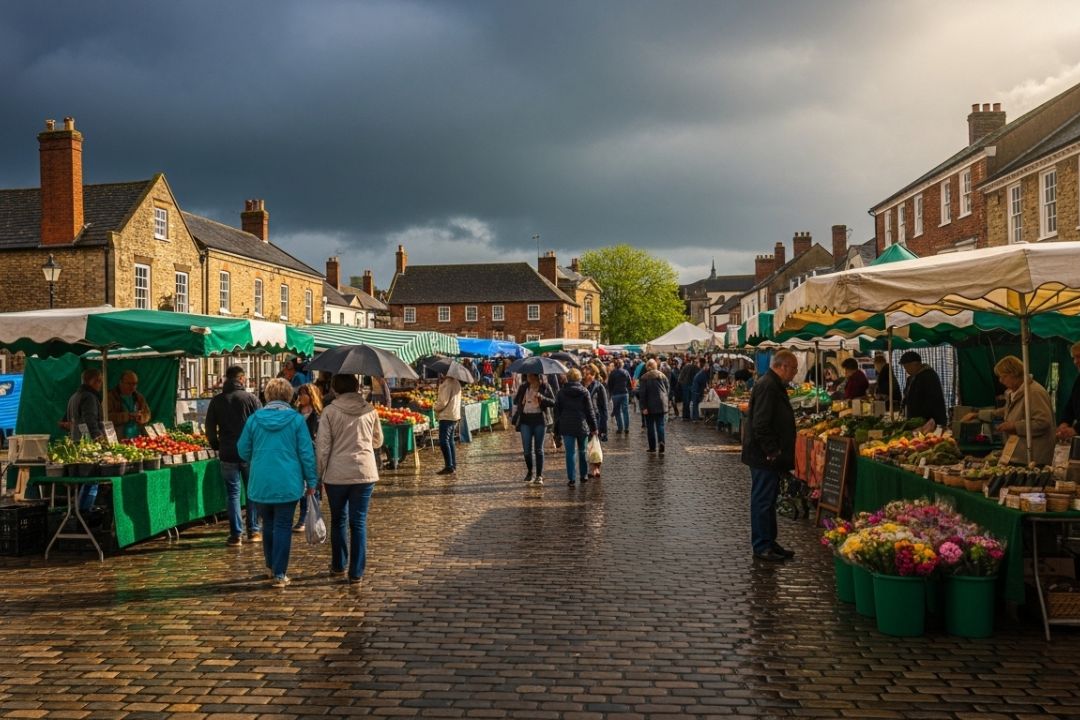
The weather shapes daily life in more ways than we often realise. From planning school runs and weekend markets to managing farms and local businesses, understanding Weather Market Harborough is essential for residents and visitors alike. Located in the heart of Leicestershire, this historic market town experiences a classic British climate—changeable, seasonal, and sometimes unpredictable.
In this in-depth guide, you’ll discover everything you need to know about Weather Market Harborough, including seasonal patterns, monthly averages, rainfall trends, and how local conditions affect transport, agriculture, and outdoor activities. We’ll also explore historical weather data, practical forecasting tools, and safety tips to help you stay prepared year-round.
Whether you live in Market Harborough or are planning a visit, this comprehensive article will give you reliable, easy-to-understand information to make smarter weather-related decisions.
Understanding the Climate of Market Harborough
Market Harborough sits in the East Midlands region of England. The town experiences a temperate maritime climate, which means:
- Mild summers
- Cool winters
- Rainfall spread fairly evenly throughout the year
- Occasional frost and snowfall in winter
Average annual rainfall in Leicestershire is around 600–700 mm, which is slightly lower than the UK average of approximately 885 mm. This makes the region relatively drier compared to western parts of the country.
The general climate pattern influencing Weather Market Harborough includes:
- Atlantic weather fronts
- Occasional Arctic air masses in winter
- Warm continental air during summer heatwaves
These systems combine to create a climate that is rarely extreme but frequently variable.
Seasonal Breakdown of Weather Market Harborough
Spring (March–May)
Spring in Market Harborough is a season of gradual warming and increasing daylight.
Typical Conditions:
- Average temperatures: 7°C to 15°C
- Occasional frost in early March
- Moderate rainfall
- Blossoming countryside
Spring showers are common, particularly in April. Farmers in surrounding areas begin planting crops such as barley and wheat during this period.
Summer (June–August)
Summers are generally mild and pleasant.
Typical Conditions:
- Average temperatures: 18°C to 23°C
- Occasional heatwaves above 28°C
- Longer daylight hours
- Thunderstorms during humid spells
Recent years have seen occasional heatwaves across the East Midlands. For example, during the UK heatwave of 2022, temperatures in parts of Leicestershire exceeded 35°C.
Summer is ideal for:
- Canal walks along the Grand Union Canal
- Outdoor markets
- Community festivals
Weather Market Harborough during summer can shift quickly from sunshine to short bursts of heavy rain.
Autumn (September–November)
Autumn brings cooler air and colourful landscapes.
Typical Conditions:
- Average temperatures: 8°C to 17°C
- Increased rainfall
- Foggy mornings
- Stronger winds
October is often one of the wetter months. Fallen leaves combined with rain can affect driving conditions.
Winter (December–February)
Winter in Market Harborough is generally cold but not extreme.
Typical Conditions:
- Average temperatures: 1°C to 7°C
- Frost and icy mornings
- Occasional snowfall
- Short daylight hours
Snowfall is not frequent but can occur several times per winter. When it does, local transport may be temporarily disrupted.
Monthly Weather Averages in Market Harborough
Here’s a simplified overview of average conditions:
| Month | Avg High | Avg Low | Rainfall (mm) |
|---|---|---|---|
| January | 6°C | 1°C | 55 mm |
| April | 13°C | 4°C | 45 mm |
| July | 22°C | 13°C | 50 mm |
| October | 15°C | 8°C | 65 mm |
Rainfall is fairly consistent throughout the year, with slight peaks in autumn and early winter.
RainfaIlPatterns and Flood Risk
Rainfall plays a key role in Weather Market Harborough. While the town is not considered high-risk for severe flooding, heavy rainfall can cause:
- Surface water pooling
- Temporary road closures
- Minor river level rises
The River Welland runs through the area, and after prolonged rainfall, levels may increase. However, modern flood management systems help reduce risks.
Case Study Example:
In 2012, the UK experienced one of its wettest years on record. Parts of Leicestershire saw above-average rainfall, leading to waterlogged farmland and delayed crop harvests.
Wind and Storm Conditions
Market Harborough does not typically experience extreme wind events compared to coastal regions. However:
- Atlantic storms in autumn and winter can bring gusts above 50 mph
- Fallen trees and debris occasionally disrupt roads
- Power outages can occur during severe storms
Storms like Storm Eunice in 2022 caused temporary travel disruptions across the Midlands.
How Weather Market Harborough Affects Agriculture
Agriculture is important in the surrounding countryside. Farmers rely heavily on accurate forecasts.
Key weather-related agricultural factors include:
- Soil moisture levels
- Frost timing
- Rainfall during harvest
- Heat stress on livestock
A dry spring can reduce crop yields, while excessive rainfall in summer may affect grain quality.
Reliable local forecasting helps farmers plan planting and harvesting schedules effectively.
Impact on Transport and Daily Life
Weather conditions influence:
- Commuter traffic
- Train schedules
- School operations
- Outdoor events
Winter Impact
- Icy roads increase accident risk
- Gritting services operate overnight
Summer Impact
- Road surfaces may soften during heatwaves
- Rail delays can occur due to track expansion
Monitoring Weather Market Harborough helps residents plan travel safely.
Local Microclimate Factors
Even within Market Harborough, small variations occur due to:
- Elevation differences
- Urban heat island effect
- Proximity to open countryside
Built-up areas may feel slightly warmer at night compared to rural surroundings.
Climate Change and Long-Term Trends
Climate change is influencing local weather patterns across the UK.
Observed trends in the East Midlands include:
- Warmer average temperatures
- Increased frequency of heavy rainfall events
- More frequent summer heatwaves
According to UK climate projections, average temperatures could rise by 1–2°C over the coming decades.
This may lead to:
- Longer growing seasons
- Increased flood risk
- Greater summer water demand
Understanding Weather Market Harborough in the context of climate change is increasingly important for long-term planning.
Best Sources for Weather Forecasts
To stay informed, residents often check:
- Local meteorological services
- National forecasting websites
- Weather radar apps
- Hourly forecast updates
Modern forecasting tools use satellite data, radar systems, and computer models to predict conditions up to 10 days in advance.
Outdoor Activities and Weather Planning
Market Harborough offers:
- Canal walks
- Cycling routes
- Outdoor markets
- Sports facilities
Planning outdoor activities depends heavily on checking Weather Market Harborough forecasts.
Practical Tips:
- Always check hourly updates before long walks
- Carry waterproof clothing year-round
- Wear sunscreen during summer
Extreme Weather Events in Recent Years
Though rare, notable weather events have occurred:
- Short but intense thunderstorms
- Localised flash flooding
- Heatwave conditions
Extreme weather remains occasional rather than frequent, but preparation is always wise.
How to Prepare for Seasonal Weather Changes
Here’s a simple preparation guide:
Winter Checklist
- Insulate pipes
- Check heating systems
- Keep emergency supplies
Summer Checklist
- Stay hydrated
- Install fans or ventilation
- Monitor UV levels
Preparation reduces inconvenience and improves safety.
Business and Economic Effects of Weather
Local businesses are also influenced by weather patterns.
For example:
- Retail foot traffic increases in dry weather
- Hospitality businesses benefit from sunny weekends
- Construction projects depend on stable conditions
A study across UK towns showed retail sales can rise by 10–15% during extended dry spells.
Weather Market Harborough plays a subtle but measurable role in economic performance.
Health and Weather Connections
Weather affects health in several ways:
- Cold increases flu cases
- Heatwaves raise dehydration risks
- High pollen levels trigger allergies
Monitoring local forecasts helps vulnerable groups take precautions.
Why Accurate Forecasting Matters
Accurate forecasts support:
- Public safety
- Event planning
- Farming decisions
- Infrastructure management
Even small temperature differences can impact energy consumption and transport planning.
Conclusion
Understanding Weather Market Harborough is more than just checking if it will rain tomorrow. It involves recognising seasonal trends, long-term climate shifts, and how local conditions affect daily life, agriculture, business, and health.
From mild summers and cool winters to occasional storms and heatwaves, Market Harborough experiences the full character of the British climate—balanced yet changeable. By staying informed through reliable forecasts and preparing for seasonal changes, residents can reduce disruption and make confident plans.
If you live in or plan to visit the area, make checking Weather Market Harborough part of your daily routine. Staying prepared ensures safety, comfort, and smarter decision-making all year round.