
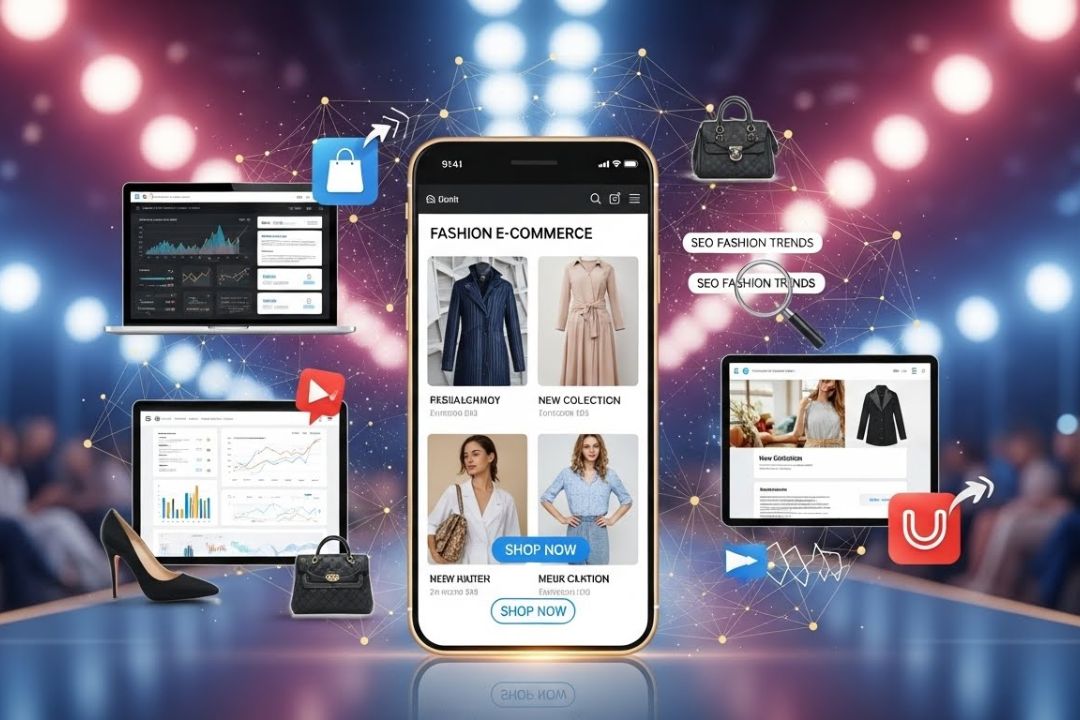
The fashion world has changed dramatically over the past decade. Gone are the days when brands relied solely on magazine spreads and runway shows to reach their audience. Today, the real magic happens online, where millions of potential customers scroll through their phones looking for the next trend. This shift has made digital marketing in fashion industry not just important but absolutely essential for survival and growth.
Whether you’re running a small boutique or managing a global fashion empire, understanding how to connect with customers through digital channels can make or break your business. This article explores the most effective strategies, emerging trends, and real-world examples that show how fashion brands are winning in the digital space.
Why Digital Marketing Matters for Fashion Brands
The fashion industry thrives on visual appeal, storytelling, and emotional connection. Digital platforms offer the perfect stage for all three. Social media marketing allows brands to showcase their collections instantly to millions of people worldwide. Email campaigns keep loyal customers informed about new arrivals and exclusive offers. Search engine optimization helps shoppers discover your brand when they’re actively looking for products like yours.
Consider this: over 60% of fashion purchases now begin with an online search. Even customers who eventually buy in physical stores often research products online first. This behavior means that if your brand isn’t visible in digital spaces, you’re essentially invisible to a huge portion of potential buyers.
The numbers tell a compelling story. Fashion e-commerce sales exceeded $750 billion globally in recent years, and that figure continues climbing. Mobile shopping accounts for more than half of all online fashion purchases. These statistics prove that digital marketing in fashion industry isn’t a trend that will fade away. It’s the present and future of how fashion businesses operate.
Building a Strong Social Media Presence
Social media platforms have become virtual runways where fashion brands showcase their personality and products. Instagram remains the king for fashion marketing, with its emphasis on high-quality images and short videos. The platform’s shopping features let users buy products directly without leaving the app, creating a seamless path from inspiration to purchase.
TikTok has emerged as a powerhouse for reaching younger audiences. Fashion brands that create entertaining, authentic content on TikTok often see viral success that translates into massive sales spikes. The platform’s algorithm favors creativity over follower count, giving even small brands a chance to reach millions of viewers.
Pinterest serves as a visual search engine where people actively look for outfit inspiration and styling ideas. Brands that optimize their Pinterest presence can capture shoppers at the crucial moment when they’re planning what to buy. Facebook, while less trendy among younger users, still offers powerful advertising tools and reaches older demographics with significant purchasing power.
Successful social media marketing requires more than just posting pretty pictures. You need to engage with followers through comments and messages, share behind-the-scenes content that humanizes your brand, collaborate with influencers who align with your values, run contests and giveaways to boost engagement, and use analytics to understand what content performs best.
Influencer Marketing and Brand Partnerships
Influencer collaborations have become one of the most effective forms of digital marketing in fashion industry. When done right, these partnerships feel authentic and drive genuine interest in products. The key is finding influencers whose audience matches your target customers and whose personal style aligns with your brand identity.
Micro-influencers, those with 10,000 to 100,000 followers, often deliver better results than celebrities with millions of followers. Their audiences tend to be more engaged and trust their recommendations more deeply. A micro-influencer posting about your sustainable clothing line can generate more meaningful conversions than a mega-celebrity who promotes dozens of brands.
Fashion Nova built a billion-dollar business largely through influencer marketing. The brand partners with thousands of influencers across different follower tiers, creating constant buzz around their products. Their strategy proves that consistent, widespread influencer partnerships can turn a relatively new brand into a household name.
When working with influencers, provide creative freedom rather than overly scripted content. Audiences can spot inauthentic sponsored posts from a mile away. The best influencer content feels natural, like a genuine recommendation from a friend rather than an advertisement.
Content Marketing That Tells Your Story
Content marketing goes beyond product photos to tell the deeper story of your brand. Blog posts about fashion trends, styling tips, and industry insights establish your brand as an authority. Video content showing how garments are made or featuring customer testimonials builds trust and emotional connection.
Zara excels at content marketing through their lookbook approach. They regularly publish styled outfit combinations that inspire customers and show how to wear their pieces in different ways. This content serves multiple purposes: it helps shoppers envision themselves in the clothes, provides styling education, and showcases the versatility of items in their collection.
User-generated content represents another powerful content marketing strategy. Encourage customers to share photos wearing your products by creating branded hashtags and featuring the best submissions on your official channels. This approach provides you with authentic marketing material while making customers feel valued and connected to your brand community.
Long-form content like fashion guides and trend reports can boost your search engine rankings while providing genuine value to readers. A comprehensive guide to “Business Casual Dressing for Women” or “Sustainable Fashion Choices for Everyday Wear” can attract thousands of organic visitors to your website over time.
Email Marketing for Customer Retention
Email marketing delivers one of the highest returns on investment among all digital marketing channels. For every dollar spent on email marketing, fashion brands can expect an average return of around forty dollars. This impressive performance makes email an essential component of digital marketing in fashion industry.
Building an email list starts with offering something valuable in exchange for a subscription. A discount code for first-time buyers, exclusive access to new collections, or a free styling guide can convince website visitors to share their email addresses. Once someone joins your list, nurture that relationship with regular, valuable communications.
Segmentation makes email marketing more effective. Don’t send the same message to everyone on your list. Instead, create different segments based on purchase history, browsing behavior, geographic location, and engagement level. Someone who frequently buys athletic wear should receive different emails than someone who only purchases formal dresses.
Abandoned cart emails recover sales that would otherwise be lost. When someone adds items to their cart but doesn’t complete the purchase, an automated email reminder often brings them back to finish the transaction. Including product images and a clear call-to-action button increases the chances of conversion.
Welcome series for new subscribers, personalized product recommendations based on browsing history, seasonal sales announcements with early access for email subscribers, post-purchase follow-ups requesting reviews and feedback, and re-engagement campaigns for inactive subscribers all represent essential email types that fashion brands should implement.
Search Engine Optimization for Visibility
Search engine optimization ensures that your fashion brand appears when potential customers search for products you sell. When someone types “sustainable women’s dresses” or “affordable men’s suits” into Google, proper SEO determines whether your website appears on the first page of results or gets lost among thousands of competitors.
Keyword research forms the foundation of effective SEO. Identify the specific phrases people use when searching for fashion products like yours. These keywords should appear naturally in your product descriptions, blog posts, page titles, and image alt text. However, avoid keyword stuffing, which makes content read awkwardly and can actually hurt your rankings.
Technical SEO ensures that search engines can easily crawl and index your website. This includes having fast page load times, mobile-friendly design, clear site structure with logical navigation, secure HTTPS connection, and XML sitemaps that help search engines understand your content.
Product page optimization represents a crucial opportunity for fashion e-commerce sites. Each product should have a unique, descriptive title that includes relevant keywords, detailed descriptions that answer customer questions, high-quality images with descriptive alt text, customer reviews that add fresh content and social proof, and clear information about sizing, materials, and care instructions.
Local SEO matters for fashion brands with physical stores. Optimizing your Google Business Profile, collecting customer reviews, and including location-specific keywords helps you appear in local search results when people look for clothing stores in their area.
Paid Advertising Strategies That Work
Paid advertising accelerates growth by putting your brand in front of highly targeted audiences. Google Shopping ads display your products directly in search results with images and prices, capturing shoppers with high purchase intent. Facebook and Instagram ads offer sophisticated targeting options based on demographics, interests, behaviors, and even lookalike audiences similar to your existing customers.
Retargeting campaigns remind people about products they viewed on your website. Someone who looked at a specific jacket but didn’t buy might see ads for that jacket as they browse other websites or social media. This reminder often provides the gentle push needed to complete the purchase.
The most successful paid campaigns in fashion focus on striking visual content that stops the scroll. Professional photography, attention-grabbing video clips, and creative ad copy make the difference between ads that get ignored and ads that generate clicks and conversions.
Budget allocation requires careful testing and analysis. Start with smaller budgets to test different ad variations, audiences, and platforms. Once you identify what works, scale up your investment in the best-performing campaigns. Track metrics like cost per click, conversion rate, and return on ad spend to ensure your advertising budget delivers positive results.
Mobile Optimization Is Non-Negotiable
More people shop for fashion on mobile devices than on desktop computers. If your website doesn’t work perfectly on smartphones and tablets, you’re losing sales every single day. Mobile optimization in digital marketing in fashion industry includes responsive design that adapts to different screen sizes, fast loading times even on slower mobile connections, easy navigation with thumb-friendly buttons and menus, simplified checkout process with options like Apple Pay and Google Pay, and high-quality images that look great on small screens without slowing down the page.
ASOS, the British online fashion retailer, attributes much of its success to its mobile-first approach. Their app provides a seamless shopping experience with features like visual search, where users can upload photos to find similar items. This innovation shows how fashion brands can use mobile technology not just for basic shopping but to create unique experiences that desktop can’t match.
Progressive web apps represent an emerging trend that combines the best features of websites and native apps. They work offline, send push notifications, and load almost instantly while requiring less development resources than building separate iOS and Android apps.
Video Marketing and Live Streaming
Video content generates significantly more engagement than static images or text. Fashion brands use video for runway show highlights, behind-the-scenes glimpses of photo shoots and design processes, styling tutorials showing how to wear products in different ways, customer testimonial videos that build credibility, and unboxing videos that create excitement around product packaging.
Live streaming creates real-time connections with audiences. Fashion brands host live shopping events where viewers can purchase items featured in the stream, Q&A sessions with designers or brand founders, virtual fashion shows that anyone can attend from anywhere, and influencer collaborations broadcast to combined audiences.
YouTube remains the second-largest search engine after Google, making it valuable for long-form fashion content. Creating a YouTube channel with regular content can build a dedicated following while improving your overall online visibility. Educational content like “How to Build a Capsule Wardrobe” or “Fashion Mistakes to Avoid” can attract viewers who eventually become customers.
Short-form video on platforms like TikTok and Instagram Reels has exploded in popularity. These bite-sized videos require less production time than traditional content but can achieve massive reach. Fashion brands that master the art of creating entertaining, shareable short videos gain enormous advantages in brand awareness and engagement.
Data Analytics and Customer Insights
Successful digital marketing in fashion industry relies on data to guide decisions. Analytics tools reveal which marketing channels drive the most traffic and sales, which products generate the most interest, where customers drop off in the purchase process, what demographics make up your audience, and how customer behavior changes over time.
Google Analytics provides foundational data about website traffic and user behavior. Fashion brands should regularly review metrics like bounce rate, average session duration, conversion rate by traffic source, and top-performing pages. This information reveals what’s working and what needs improvement.
Social media analytics show which types of content resonate most with your audience. Pay attention to engagement rates, not just follower counts. A smaller audience that actively comments, shares, and clicks is more valuable than a large but passive following.
Customer relationship management systems track individual customer journeys from first interaction through multiple purchases. This data enables personalized marketing that treats customers as individuals rather than generic audience members. Someone who bought winter coats might receive recommendations for matching accessories, while someone interested in athletic wear sees content about performance fabrics.
Emerging Trends Shaping the Future
Augmented reality is transforming how people shop for fashion online. Virtual try-on features let customers see how clothes, accessories, or makeup look on them before buying. This technology reduces returns and increases customer confidence in online purchases.
Artificial intelligence powers chatbots that answer customer questions instantly, recommendation engines that suggest products based on browsing history, dynamic pricing that adjusts based on demand and inventory, and trend forecasting that helps brands stay ahead of customer preferences.
Sustainability has become a major focus in fashion marketing. Brands that communicate their environmental and social responsibility effectively connect with increasingly conscious consumers. Transparency about supply chains, materials, and labor practices builds trust and loyalty among customers who care about ethical consumption.
Voice search optimization represents an emerging opportunity as more people use voice assistants to search for products. Optimizing content for natural language queries like “Where can I find affordable summer dresses near me?” positions brands to capture this growing search method.
Virtual fashion shows and digital-only clothing exist in the metaverse and gaming environments. While still experimental, these innovations suggest how digital marketing in fashion industry might evolve as technology continues advancing.
Real Success Stories Worth Learning From
Gymshark built a fitness apparel empire largely through digital marketing. The brand focused heavily on influencer partnerships with fitness enthusiasts and created a strong community around their products. Their strategic use of social media, particularly Instagram and YouTube, turned them into a billion-dollar company in less than a decade.
Reformation, a sustainable fashion brand, uses transparency as a marketing tool. They publish environmental impact data for every product, showing customers exactly how much water, carbon dioxide, and waste their purchases save compared to conventional fashion. This authentic commitment to sustainability resonates deeply with their target audience.
Fashion Nova’s aggressive influencer strategy and ultra-fast fashion model created explosive growth. They monitor trending styles on social media and can design, produce, and ship new items within weeks. Their constant stream of new products and influencer content keeps customers coming back frequently.
Glossier started as a beauty blog before launching products. By building an engaged community first, they created a ready audience eager to buy when products launched. Their customer-centric approach and Instagram-worthy packaging turned customers into brand advocates who organically promote products to their networks.
Conclusion: Your Digital Fashion Future
The landscape of digital marketing in fashion industry continues evolving rapidly, but the core principles remain constant. Connect authentically with your audience, provide value beyond just selling products, use data to guide your decisions, and stay adaptable as new platforms and technologies emerge.
Success doesn’t require implementing every strategy mentioned here simultaneously. Start with the channels where your target customers spend their time. Master those platforms before expanding to others. Test different approaches, measure results, and refine your strategy based on what the data tells you.
The fashion brands that thrive in coming years will be those that view digital marketing not as a separate department but as integral to every aspect of their business. From product design informed by social media trends to customer service delivered through chatbots, digital thinking should permeate your entire operation.
Now is the time to evaluate your current digital marketing efforts honestly. Identify gaps in your strategy and create a plan to address them. Whether you need to improve your social media presence, invest in better email marketing, or finally optimize your website for mobile users, take action today. The fashion industry won’t wait for brands that resist digital transformation.