
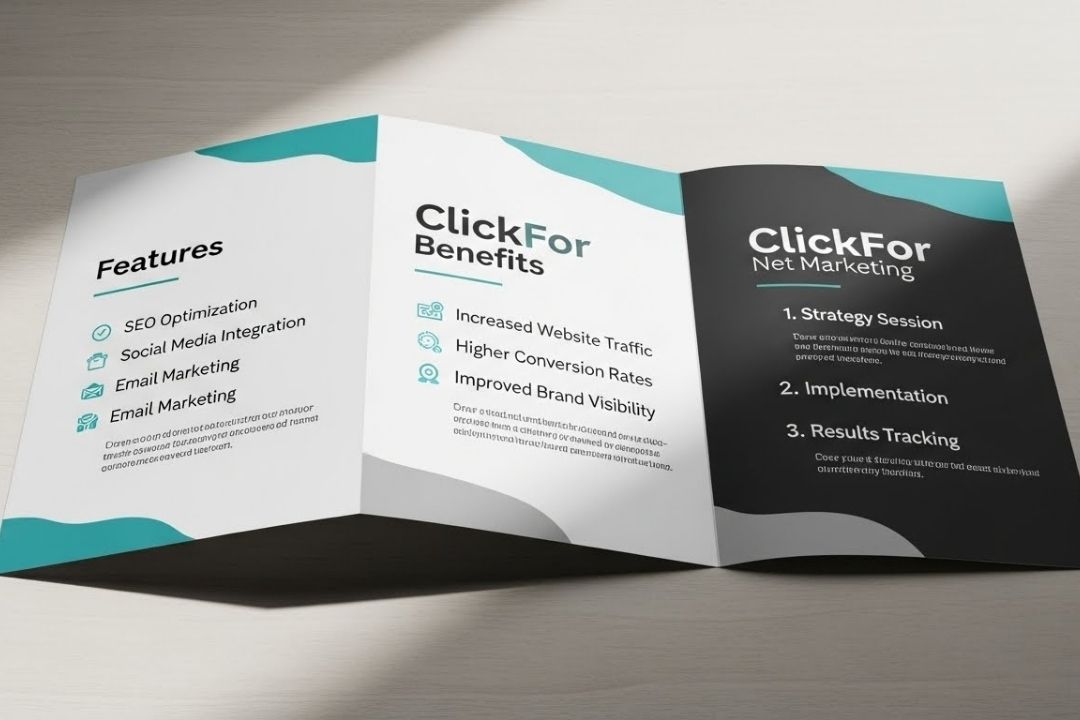
In today’s fast-paced digital landscape, businesses are constantly searching for innovative ways to connect with their target audience and drive meaningful results. The world of online promotion has evolved dramatically over the past decade, moving from simple banner advertisements to sophisticated, data-driven campaigns that deliver personalized experiences to consumers across multiple channels. Among the various approaches available to modern marketers, ClickFor Net Marketing has emerged as a powerful strategy that combines precision targeting with measurable outcomes.
This comprehensive guide will walk you through everything you need to know about this marketing approach, from its core features and key benefits to practical implementation strategies. Whether you’re a small business owner looking to expand your online presence or a marketing professional seeking to optimize your digital campaigns, understanding how to leverage modern internet marketing techniques can make the difference between struggling to find customers and building a thriving online business. We’ll explore real-world examples, share proven tactics, and provide actionable insights that you can apply immediately to transform your marketing efforts and achieve sustainable growth in an increasingly competitive marketplace.
What Is ClickFor Net Marketing?
ClickFor Net Marketing represents a comprehensive approach to digital advertising that focuses on driving targeted traffic through strategic online campaigns. Unlike traditional marketing methods that cast a wide net and hope for the best, this methodology emphasizes precision, accountability, and measurable results. The foundation of this approach lies in understanding consumer behavior, identifying high-intent prospects, and delivering the right message at the right time through the right channel.
The core principle behind ClickFor Net Marketing revolves around creating campaigns that encourage specific user actions, whether that’s clicking through to a landing page, signing up for a newsletter, making a purchase, or engaging with content. Every element of the campaign is designed with intentionality, from the ad copy and visual design to the targeting parameters and bidding strategies. This level of detail ensures that marketing budgets are spent efficiently, reaching people who are most likely to convert rather than wasting resources on uninterested audiences.
What sets this marketing strategy apart from other digital approaches is its emphasis on continuous optimization and data-driven decision making. Marketers using this method don’t simply launch campaigns and hope for success. Instead, they constantly analyze performance metrics, test different variables, and refine their strategies based on what the data reveals. This iterative process allows businesses to improve their return on investment over time and adapt quickly to changing market conditions.
Key Features of ClickFor Net Marketing
Advanced Targeting Capabilities
One of the most powerful features of ClickFor Net Marketing is its sophisticated targeting system. Modern platforms allow marketers to define their ideal audience with remarkable precision, using dozens of different parameters to ensure their message reaches the right people. You can target based on demographic information such as age, gender, income level, and education, as well as psychographic factors like interests, behaviors, and values.
Geographic targeting enables businesses to focus their efforts on specific locations, from entire countries down to individual zip codes or even radius targeting around a physical store location. This is particularly valuable for local businesses that want to attract nearby customers or national brands that need to customize messaging for different regional markets. Time-based targeting adds another layer of control, allowing you to show ads during specific hours when your target audience is most likely to be online and receptive to your message.
Device targeting has become increasingly important as consumer behavior shifts across smartphones, tablets, and desktop computers. ClickFor Net Marketing platforms enable you to create device-specific campaigns that take advantage of the unique characteristics of each platform, delivering mobile-optimized experiences to smartphone users while providing rich, detailed content to desktop visitors.
Real-Time Performance Tracking
The ability to monitor campaign performance in real-time represents a fundamental advantage of digital marketing over traditional media. With ClickFor Net Marketing, you don’t have to wait weeks or months to understand whether your campaigns are working. Dashboard interfaces provide instant access to critical metrics such as impressions, clicks, click-through rates, conversions, and cost per acquisition.
This transparency allows marketers to identify problems quickly and make adjustments before significant budget is wasted. If a particular ad isn’t performing well, you can pause it immediately and redirect spending to more effective variations. If certain keywords or audience segments are delivering exceptional results, you can increase investment in those areas to maximize returns. The speed at which you can respond to performance data creates a significant competitive advantage.
Advanced analytics tools go beyond basic metrics to provide deeper insights into customer behavior and campaign effectiveness. You can track the complete customer journey from initial ad exposure through conversion and even post-purchase behavior. Attribution modeling helps you understand which touchpoints contribute most to conversions, enabling smarter budget allocation across different channels and campaign types.
Flexible Budget Management
ClickFor Net Marketing accommodates businesses of all sizes through flexible budget options that put you in complete control of spending. Unlike traditional advertising that often requires substantial upfront commitments, digital campaigns can be launched with modest budgets and scaled up as results warrant. You set daily or lifetime budget caps that prevent overspending, and you can adjust these limits at any time based on performance and business needs.
The pay-per-click model ensures that you only pay when users take action, whether that’s clicking on your ad, viewing your video, or submitting their contact information. This performance-based pricing aligns costs directly with results, making it easier to calculate return on investment and justify marketing expenditures. You’re not paying for impressions that may or may not lead to business outcomes; you’re paying for measurable engagement with your brand.
Bid strategies can be customized to match your specific objectives, whether you’re focused on maximizing clicks within a budget, achieving a target cost per acquisition, or prioritizing impression share in competitive markets. Automated bidding features use machine learning to optimize bids in real-time, adjusting based on factors like user device, location, time of day, and likelihood to convert.
Significant Benefits of ClickFor Net Marketing
Measurable Return on Investment
Perhaps the most compelling benefit of ClickFor Net Marketing is the ability to measure return on investment with precision that was impossible with traditional marketing channels. Every dollar spent can be tracked through the entire customer journey, from initial click to final purchase and beyond. This level of accountability helps marketing teams justify their budgets, demonstrate their value to leadership, and make data-driven decisions about resource allocation.
Small businesses particularly benefit from this measurability because it allows them to compete effectively against larger competitors with bigger budgets. When you can see exactly which campaigns, keywords, and audience segments generate profitable returns, you can focus your limited resources on what works best. This eliminates the guesswork and allows even modest marketing budgets to generate significant business impact.
The granular data available through digital platforms enables sophisticated analysis that reveals valuable insights about customer preferences, behavior patterns, and market opportunities. You can identify which products or services have the highest conversion rates, which messaging resonates most strongly with different audience segments, and which times of day or days of the week produce the best results. These insights inform not just marketing strategies but broader business decisions about product development, pricing, and customer service.
Speed and Agility
Traditional marketing campaigns often require weeks or months of planning, production, and distribution before results become visible. ClickFor Net Marketing operates on an entirely different timeline, allowing businesses to launch campaigns within hours or days and see immediate results. This speed creates opportunities to capitalize on trending topics, respond to competitive moves, or test new product concepts with minimal risk and investment.
The agility of digital marketing extends beyond launch speed to include the ability to make rapid adjustments based on performance data. If market conditions change, consumer sentiment shifts, or new opportunities emerge, you can modify campaigns instantly without the constraints of print deadlines or broadcast schedules. This flexibility is especially valuable in dynamic industries where staying current and responsive provides a competitive edge.
Seasonal businesses can ramp campaigns up and down to match demand cycles, avoiding the waste of continuous advertising during slow periods. Event-based promotions can be launched precisely when needed and concluded immediately afterward. This operational efficiency improves overall marketing effectiveness and ensures that budgets are deployed when they can have the greatest impact.
Enhanced Brand Visibility
Consistent presence across digital channels builds brand awareness and keeps your business top-of-mind with potential customers. ClickFor Net Marketing enables you to maintain visibility even with limited budgets by strategically appearing in front of your target audience at key decision-making moments. Over time, repeated exposure creates familiarity and trust that translates into higher conversion rates and customer loyalty.
Remarketing features allow you to stay connected with people who have previously interacted with your brand, whether they visited your website, engaged with your content, or abandoned a shopping cart. These warm audiences are significantly more likely to convert than cold prospects, making remarketing campaigns exceptionally cost-effective. You can customize messaging based on previous interactions, moving prospects progressively through the sales funnel with relevant, timely communications.
Multi-channel campaigns that coordinate messaging across search, display, social media, and video platforms create synergistic effects that amplify brand impact. When potential customers see consistent branding and complementary messages across different contexts, it reinforces your marketing message and accelerates the path to conversion. This integrated approach delivers better results than isolated campaigns on individual platforms.
Precise Audience Segmentation
The ability to segment audiences and deliver personalized messaging represents a fundamental shift from the one-size-fits-all approach of traditional advertising. ClickFor Net Marketing platforms provide sophisticated tools for dividing your market into distinct groups based on virtually any characteristic you consider relevant. You can create separate campaigns for new customers versus repeat buyers, high-value prospects versus price-sensitive shoppers, or different demographic segments with unique needs and preferences.
Custom audience features allow you to upload your own customer lists and target them directly or create lookalike audiences that share characteristics with your best customers. This enables highly efficient prospecting that focuses on people who are most similar to those who have already demonstrated interest in your offerings. The precision of this targeting dramatically reduces wasted impressions and improves campaign efficiency.
Dynamic content capabilities take personalization even further by automatically customizing ad creative based on individual user characteristics and behavior. Product recommendation engines show people items they’re most likely to purchase based on browsing history and similar users’ behavior. Location-based dynamic insertion ensures that store information, pricing, and availability reflect the user’s specific geographic area. These personalized experiences significantly outperform generic advertising in terms of engagement and conversion rates.
How ClickFor Net Marketing Works: A Step-by-Step Guide
Campaign Planning and Strategy Development
Successful implementation of ClickFor Net Marketing begins with thorough planning and clear objective-setting. Before launching any campaigns, you need to define what success looks like for your business. Are you primarily focused on generating leads, driving direct sales, building brand awareness, or promoting a specific product or service? Your goals will dictate the campaign structure, targeting approach, bidding strategy, and success metrics you should track.
Market research forms the foundation of effective campaign strategy. You need to understand your target audience deeply, including their demographics, interests, online behavior, pain points, and purchasing triggers. Competitor analysis reveals what others in your space are doing successfully and identifies gaps or opportunities you can exploit. Keyword research for search campaigns uncovers the terms and phrases your potential customers use when looking for solutions you provide.
Budget allocation requires careful consideration of your business objectives, profit margins, and customer lifetime value. Calculate how much you can afford to spend to acquire a new customer while maintaining profitable operations. This target cost per acquisition becomes a key performance indicator that guides bidding strategies and campaign optimization efforts. Remember that initial campaigns often require some investment in learning and testing before they achieve optimal efficiency.
Campaign Setup and Implementation
Once strategy is established, the technical setup process begins with selecting the appropriate platforms and campaign types. Search campaigns target people actively looking for specific solutions, making them ideal for capturing high-intent traffic. Display campaigns build awareness and reach people based on interests and demographics. Social media campaigns leverage the vast audiences and sophisticated targeting capabilities of platforms like Facebook, Instagram, and LinkedIn. Video campaigns engage users through visual storytelling on YouTube and other video platforms.
Ad creation requires attention to both messaging and design elements that capture attention and motivate action. Compelling headlines address user needs or desires directly, using language that resonates with your target audience. Body copy communicates your unique value proposition clearly and concisely, focusing on benefits rather than features. Strong calls-to-action tell users exactly what you want them to do next, whether that’s “Shop Now,” “Learn More,” or “Get Started Today.”
Landing page optimization ensures that traffic driven by your campaigns converts at the highest possible rate. The landing page should deliver on the promise made in the ad, maintaining message consistency and visual continuity. Remove distractions and unnecessary navigation options that might lead visitors away from the conversion goal. Include trust signals like customer testimonials, security badges, and guarantees that reduce purchase anxiety. Fast loading speed and mobile responsiveness are essential technical requirements that significantly impact conversion rates.
Campaign Monitoring and Optimization
Active campaign management separates successful ClickFor Net Marketing efforts from those that waste budget on underperforming activities. Daily monitoring of key performance indicators allows you to spot trends and issues early, before they consume significant resources. Look at metrics like click-through rate to assess ad relevance and appeal, conversion rate to evaluate landing page effectiveness, and cost per conversion to track overall campaign efficiency.
A/B testing systematically compares different versions of ads, landing pages, or targeting parameters to identify what works best. Test one variable at a time so you can clearly attribute performance differences to specific changes. Common test elements include headline variations, different images or video content, alternative calls-to-action, and various audience targeting parameters. Allow tests to run long enough to collect statistically significant data before declaring a winner and implementing changes.
Continuous refinement based on performance data drives long-term campaign improvement and increasing return on investment. Pause or eliminate keywords, ad variations, or audience segments that consistently underperform. Increase investment in top-performing elements to maximize their impact. Add negative keywords to prevent ads from showing for irrelevant searches that waste budget. Expand successful campaigns to new but related keywords or audiences. This ongoing optimization process compounds over time, steadily improving campaign effectiveness.
Essential Components for Success
Compelling Ad Creative
The quality of your ad creative directly impacts campaign performance across all digital channels. In an environment where users are bombarded with hundreds of marketing messages daily, your ads must stand out immediately and communicate value quickly. Visual elements need to be eye-catching without being gimmicky, professional without being boring, and aligned with your brand identity while adapted to platform-specific best practices.
Messaging should speak directly to user needs, pain points, and desires rather than focusing excessively on your company or products. Instead of “We’ve been in business for 20 years,” say “Get solutions that actually work from industry experts.” Benefits-focused language outperforms feature-focused copy because it connects with what users actually care about. Using numbers and specifics adds credibility and makes claims more believable than vague assertions.
Emotional resonance creates memorable ads that drive action more effectively than purely rational appeals. Different emotional triggers work for different products and audiences—aspiration for luxury goods, fear of missing out for limited-time offers, desire for belonging for community-oriented products, or relief from frustration for problem-solving services. Understanding what emotional buttons to push requires deep knowledge of your audience’s psychological drivers and motivations.
Strategic Landing Pages
Even the most brilliant ad campaign will fail if it drives traffic to a poorly designed landing page. Every landing page should have a single, clear objective that aligns with the ad that brought visitors there. Trying to accomplish too much on one page dilutes focus and reduces conversion rates. If your ad promises a free guide, the landing page should deliver that guide, not try to sell a product or promote multiple different offers.
Page structure should guide visitors naturally toward the conversion goal through logical flow and visual hierarchy. Place the most important information and primary call-to-action above the fold where they’re immediately visible. Use headings, subheadings, and white space to break content into scannable sections. Include supporting elements like testimonials, feature lists, and FAQ sections below the fold for visitors who need more information before converting.
Technical optimization ensures that landing pages load quickly and function properly across all devices and browsers. Compress images to reduce file size without sacrificing quality. Minimize the use of scripts and plugins that slow page loading. Implement responsive design that adapts seamlessly to different screen sizes. Test forms thoroughly to ensure they submit properly and provide clear feedback. Even minor technical issues can dramatically reduce conversion rates by creating friction in the user experience.
Robust Analytics and Tracking
Implementing comprehensive tracking systems enables accurate measurement of campaign performance and return on investment. Conversion tracking must be set up properly to record when users complete desired actions, whether that’s making a purchase, submitting a lead form, calling your business, or any other goal you’ve defined. Tag management systems simplify the process of implementing tracking codes across your website and ensure that data flows correctly to analytics platforms.
Attribution modeling helps you understand the true contribution of different marketing touchpoints to conversion outcomes. First-click attribution credits the initial interaction that brought a user into your ecosystem. Last-click attribution gives credit to the final touchpoint before conversion. Multi-touch attribution models distribute credit across multiple interactions, providing a more nuanced view of the customer journey. Understanding attribution helps you invest appropriately in both top-of-funnel awareness campaigns and bottom-of-funnel conversion drivers.
Regular reporting and analysis transform raw data into actionable insights that drive business decisions. Create custom dashboards that highlight the metrics most relevant to your specific goals and stakeholder needs. Schedule automated reports that keep team members informed of performance trends. Conduct deeper analytical reviews periodically to identify patterns, opportunities, and challenges that require strategic adjustments. The value of data lies not in collection but in the insights and actions it enables.
Common Challenges and How to Overcome Them
Managing Competition and Rising Costs
As ClickFor Net Marketing has become more sophisticated and widespread, competition for audience attention has intensified across most industries and platforms. Popular keywords and audience segments often attract numerous advertisers, driving up costs and making it harder to achieve profitable returns. Rising costs require marketers to become increasingly strategic and efficient in how they deploy resources.
Differentiation becomes critical when competing in crowded markets. Rather than fighting directly over the same generic keywords as every competitor, look for more specific long-tail variations that indicate higher purchase intent and face less competition. Develop unique value propositions that set your offerings apart from alternatives. Create ad creative that stands out visually and communicates distinctive benefits that competitors can’t claim.
Quality score optimization reduces costs by improving the relevance and user experience of your campaigns. Platforms like Google Ads reward advertisers who create highly relevant ads and landing pages with lower costs and better ad positions. Focus on improving click-through rates through compelling ad creative, enhancing landing page quality and loading speed, and ensuring close alignment between keywords, ads, and landing page content. Higher quality scores translate directly into lower costs per click and better campaign economics.
Maintaining Consistency Across Channels
Modern consumers interact with brands across multiple devices and platforms throughout their purchasing journey. Someone might first discover your business through a social media ad on their smartphone, research your offerings later on a desktop computer, and finally make a purchase through a mobile app. Providing consistent messaging, branding, and user experience across these touchpoints creates trust and reduces friction in the conversion process.
Channel integration ensures that campaigns work together synergistically rather than competing against each other or delivering contradictory messages. Coordinate promotional timing so that users see consistent offers regardless of where they encounter your brand. Use remarketing to follow up with people who engaged with campaigns on one platform through advertising on other channels. Track cross-device conversions to understand how different touchpoints contribute to the same customer’s journey.
Brand guidelines establish standards for visual design, messaging tone, and content style that should be maintained across all marketing activities. While individual campaigns and platforms may require adaptations, the core brand identity should remain recognizable and consistent. This consistency builds familiarity and trust over time, making each subsequent interaction more effective than it would be in isolation.
Adapting to Platform Changes
Digital marketing platforms constantly evolve their features, policies, and algorithms, sometimes with significant implications for campaign performance. Privacy regulations like GDPR and CCPA have restricted data collection and targeting capabilities. Platform policy updates may prohibit certain types of content or claims. Algorithm changes can shift traffic patterns and affect campaign effectiveness overnight.
Staying informed about platform developments helps you anticipate changes and adapt strategies proactively rather than reactively. Follow official platform blogs and social media accounts where updates are announced. Participate in industry forums and communities where marketers share insights about changes and their implications. Attend webinars and conferences where platform representatives discuss upcoming features and best practices.
Diversification across multiple marketing channels and platforms reduces vulnerability to changes on any single platform. If you rely entirely on one traffic source and that platform makes unfavorable changes, your entire business could be at risk. Building presence across search, social media, display advertising, email marketing, and other channels creates resilience and provides alternative options if one channel becomes less effective or more expensive.
Real-World Success Stories
E-commerce Brand Transformation
A mid-sized online retailer selling outdoor equipment struggled with stagnant growth and relied heavily on expensive third-party marketplaces that eroded profit margins. After implementing a comprehensive ClickFor Net Marketing strategy, they transformed their business economics and growth trajectory within six months. The company started by developing detailed customer personas based on purchase history data and survey responses from existing customers.
Search campaigns targeting high-intent keywords like “best camping tent for families” and “lightweight backpacking gear” captured shoppers actively researching purchases. Shopping ads showcased products with images, prices, and ratings directly in search results, driving qualified traffic to product pages. Remarketing campaigns followed up with website visitors who didn’t purchase initially, offering helpful content like buying guides and customer reviews along with special promotional offers.
The results exceeded expectations across all key metrics. Website traffic from paid channels increased by 240% while cost per acquisition decreased by 35% through ongoing optimization. Most importantly, revenue from owned digital channels grew to exceed marketplace sales for the first time, significantly improving overall profitability. The success enabled the company to expand product lines and hire additional staff to support continued growth.
Local Service Business Growth
A regional plumbing company had relied primarily on word-of-mouth referrals and traditional yellow page advertising for decades. As consumer behavior shifted increasingly online, the owner recognized the need to adapt their marketing approach but lacked digital expertise. Working with a consultant specializing in ClickFor Net Marketing for local businesses, they developed a targeted strategy focused on capturing emergency service calls and scheduled maintenance contracts.
Local search campaigns targeted specific service-related queries combined with geographic modifiers like “emergency plumber near me” and “water heater repair in [city name].” Call extensions and location extensions made it easy for mobile searchers to contact the business immediately or find the nearest location. Ad scheduling concentrated budget during evening and weekend hours when emergency calls were most common and conversion rates highest.
Within three months, the plumbing company saw dramatic changes in their customer acquisition patterns. Phone calls from digital advertising exceeded traditional yellow page leads by 3:1 ratio. The cost per call was 60% lower than traditional advertising methods, and conversion rates from call to booked appointment improved because of better qualification through ad messaging. The owner expanded the digital marketing program to additional service areas, enabling geographic expansion that would have been cost-prohibitive with traditional advertising methods.
Future Trends in Digital Marketing
Artificial Intelligence and Automation
Artificial intelligence is transforming how ClickFor Net Marketing campaigns are managed and optimized. Machine learning algorithms can now analyze vast amounts of performance data to identify patterns and opportunities that human marketers might miss. Automated bidding strategies adjust bids in real-time based on hundreds of signals that indicate conversion likelihood. Smart campaigns automate targeting, ad creation, and optimization based on business goals and performance objectives.
Predictive analytics leverages historical data to forecast future trends and outcomes, enabling more proactive strategy development. These systems can predict which customers are most likely to make repeat purchases, which products will see seasonal demand increases, and which marketing messages will resonate most strongly with different audience segments. Acting on these predictions allows marketers to stay ahead of trends rather than simply reacting to them.
While automation delivers significant efficiency benefits, human expertise remains essential for strategic direction, creative development, and interpretation of results in business context. The most effective approach combines AI-powered automation for routine optimization tasks with human judgment for strategic decisions, creative innovation, and understanding nuanced business implications of performance data.
Privacy and First-Party Data
Increasing privacy regulations and third-party cookie deprecation are fundamentally changing how marketers collect and use customer data. The shift toward first-party data strategies emphasizes building direct relationships with customers and collecting information through owned channels like websites, apps, and email subscriptions. Businesses that develop strong first-party data assets will have significant competitive advantages as third-party data becomes less available.
Contextual targeting is experiencing a renaissance as behavioral tracking becomes more restricted. Rather than targeting based on user browsing history across multiple websites, contextual approaches place ads based on the content users are currently viewing. Advances in natural language processing and page analysis enable sophisticated contextual targeting that delivers relevance without relying on personal data.
Consent-based marketing that gives users control over their data and how it’s used may actually strengthen customer relationships when implemented thoughtfully. Transparency about data collection practices builds trust, and providing value in exchange for information creates positive associations. Marketing strategies that respect privacy while delivering personalized experiences will thrive in the evolving regulatory environment.
Conclusion
ClickFor Net Marketing represents more than just another channel in the digital marketing mix—it’s a comprehensive approach that can transform how businesses connect with customers and drive growth. The combination of precise targeting, measurable results, flexible budgets, and continuous optimization creates unprecedented opportunities for businesses of all sizes to compete effectively in digital spaces. Success requires strategic planning, quality creative execution, robust tracking systems, and commitment to ongoing learning and adaptation.
The businesses that thrive with this marketing approach share common characteristics: they start with clear objectives tied to business outcomes, they invest in understanding their target audiences deeply, they commit to testing and learning rather than assuming they know what will work, and they maintain consistency while remaining agile enough to capitalize on new opportunities. Whether you’re just beginning your digital marketing journey or looking to enhance existing efforts, the principles and practices outlined in this guide provide a roadmap for achieving sustainable results.
Now is the time to take action on what you’ve learned. Start by auditing your current marketing efforts to identify gaps and opportunities. Set specific, measurable goals for what you want to achieve through digital campaigns. Begin with focused pilot programs that allow you to learn and build expertise before expanding investment. Remember that ClickFor Net Marketing success is a marathon, not a sprint—the compounding effects of continuous improvement deliver increasingly impressive results over time. Your competitors are already leveraging these powerful marketing tools; the question is whether you’ll join them or get left behind.