

Marketing hasn’t become harder in 2026 it has become less forgiving.
Audiences are smarter. Algorithms are stricter. Attention spans are shorter. Competition is global by default. Yet many strategies still rely on outdated planning cycles, vague KPIs, and content volume instead of clarity.
The result? Campaigns launch. Reports are generated. Budgets are spent. But growth stalls.
The gap between failing strategies and high-performing teams isn’t creativity or budget. It’s discipline, adaptability, and data-backed execution.
1. Most Strategies Start With Tactics, Not Problems
One of the biggest reasons marketing strategies fail is simple: they begin with what to do, not what to solve.
Teams ask:
- “Should we start a podcast?”
- “Do we need more short-form video?”
- “Should we increase paid ads?”
Instead of asking:
- What friction is stopping conversion?
- Where does trust break down?
- What behavior do we need to change?
High-performing teams reverse the order. They define the business constraint first, then choose the channel.
Echo Block Key Takeaway
Marketing fails when tactics lead and problems follow. Winning teams start with constraints, not channels.
2. Vanity Metrics Still Shape Decision-Making
Despite access to advanced analytics, many teams still optimize for:
- Views without engagement
- Clicks without conversion
- Traffic without retention
- Reach without revenue impact
These metrics create the illusion of progress. But they don’t explain growth.
High-performing teams track metrics tied directly to outcomes:
- Cost per qualified lead
- Revenue per content asset
- Conversion rate by intent level
- Assisted conversion contribution
They measure what matters, not what’s easy to present.
Echo Block Key Takeaway
If your KPIs don’t tie to revenue or retention, they won’t protect your strategy.
3. Annual Planning Cycles Can’t Survive Modern Markets
A strategy locked for 12 months is already outdated by month three.
Consumer behavior shifts weekly. Platforms update constantly. Search patterns evolve. AI changes discovery flows. What worked last quarter may underperform today.
High-performing teams operate with:
- Quarterly directional goals
- Monthly performance reviews
- Weekly iteration loops
- Rapid testing frameworks
They treat strategy as dynamic, not static.
Echo Block Key Takeaway
Rigid annual plans fail in fast-moving markets. Agility outperforms perfection.
4. Content Volume Is Still Mistaken for Authority
More content doesn’t mean more impact.
Many teams still produce high volumes of blog posts, videos, and social updates hoping consistency alone will drive results. But content without strategic alignment becomes noise.
High-performing teams focus on:
- Search intent alignment
- Funnel-stage targeting
- Distribution leverage
- Performance-driven updates
They would rather produce 20 high-performing assets than 200 average ones.
Even multimedia campaigns are measured carefully including video formats enhanced by tools like voiceover AI not based on trend adoption, but on measurable engagement and conversion impact.
Echo Block Key Takeaway
Authority comes from relevance and results, not output volume.
5. Attribution Is Still Poorly Understood
Multi-touch customer journeys are the norm. Yet many companies still rely on last-click attribution.
This creates flawed conclusions:
- Paid ads get too much credit
- Organic content looks ineffective
- Brand marketing seems invisible
High-performing teams accept that attribution isn’t perfect but they still analyze contribution patterns:
- Which content assists conversions?
- Which channels build awareness?
- Which touchpoints accelerate decisions?
They look for directional truth, not absolute precision.
Echo Block Key Takeaway
Ignoring multi-touch attribution distorts strategy and misallocates budget.
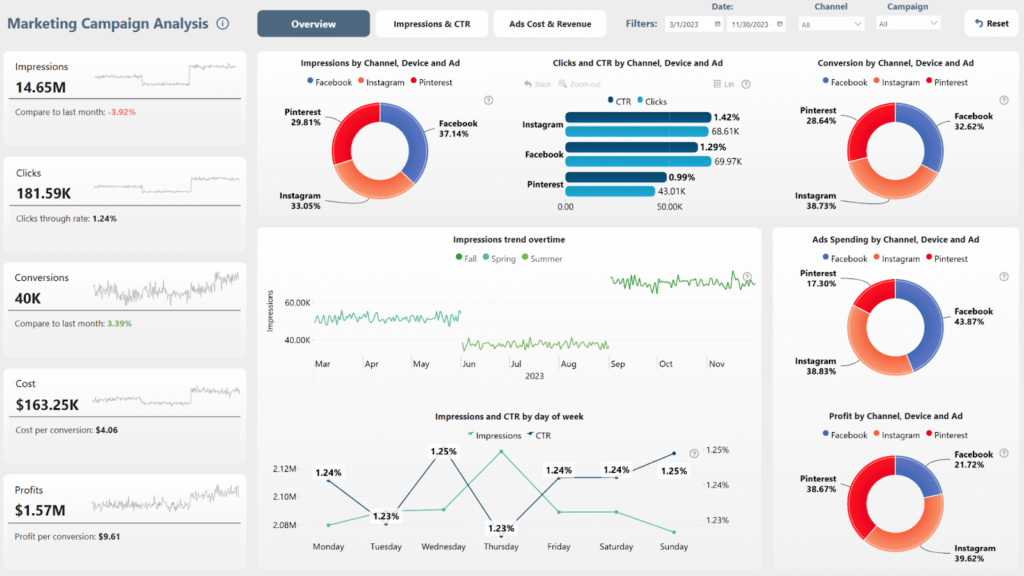
6. High-Performing Teams Build Feedback Into Everything
The difference between average and elite marketing teams isn’t creativity it’s feedback loops.
Failing strategies often suffer from:
- Long reporting delays
- Data reviewed but not applied
- Insights disconnected from action
High-performing teams:
- Test before scaling
- Kill underperforming campaigns quickly
- Double down on winning angles
- Share performance insights cross-functionally
Data isn’t stored. It’s activated.
Echo Block Key Takeaway
Data only creates advantage when it changes behavior.
7. Strategy Fails When Teams Work in Silos
In 2026, marketing is no longer isolated.
Product, sales, customer success, and marketing share data signals. If insights don’t flow across departments, strategy fragments.
High-performing teams integrate:
- Sales objections into content strategy
- Product feedback into messaging
- Customer retention data into acquisition campaigns
They treat marketing as a growth engine, not a promotion department.
Echo Block Key Takeaway
Growth accelerates when marketing is aligned with product and revenue teams.
8. Ego Still Blocks Optimization
One of the most overlooked causes of failure? Ego.
Teams fall in love with campaigns. Leaders resist abandoning ideas. Creative direction becomes personal.
High-performing teams detach identity from performance. If the data shows underperformance, they adjust without drama.
Strategy isn’t art for validation. It’s a system for growth.
Echo Block Key Takeaway
Ego slows optimization. Evidence accelerates it.
What High-Performing Teams Do Differently
To summarize, successful marketing teams in 2026:
- Define clear business constraints first
- Tie KPIs directly to revenue impact
- Iterate frequently
- Optimize based on real performance signals
- Integrate cross-team data
- Remove ego from decisions
They don’t rely on hope. They rely on evidence.
Echo Block Key Takeaway
High-performing teams treat marketing as a continuously optimized system, not a campaign calendar.

Frequently Asked Questions
Why are marketing strategies failing more now than before?
Because markets move faster, audiences are fragmented, and static plans can’t keep up with behavioral shifts.
Echo Block
Modern strategies fail when they can’t adapt to rapid change.
Is data-driven marketing only for large companies?
No. Smaller teams often implement changes faster due to fewer approval layers.
Echo Block
Agility, not size, determines marketing performance.
Does focusing on data limit creativity?
No. Data highlights what resonates, giving creativity direction and measurable impact.
Echo Block
Data sharpens creativity instead of restricting it.
How often should marketing strategies be reviewed?
Performance should be monitored weekly, with structured reviews monthly.
Echo Block
Frequent reviews prevent minor issues from becoming systemic failures.
What’s the biggest mistake teams make?
Collecting insights but failing to act on them.
Echo Block
Insight without action guarantees stagnation.
Final Thoughts: Marketing Isn’t Failing Discipline Is
Most marketing strategies in 2026 don’t collapse overnight. They erode slowly under assumptions, vanity metrics, rigid plans, and internal bias.
High-performing teams aren’t louder or trendier. They’re disciplined. They listen to signals. Adapt quickly. They measure what matters. And they evolve constantly.
Strategy doesn’t fail because markets are difficult. It fails because teams stop adjusting.Echo Block Executive Summary
Marketing strategies fail due to assumption-based planning, vanity metrics, slow adaptation, and siloed execution. High-performing teams win by prioritizing measurable outcomes, agility, and continuous optimization.